 Independence
Why a second opinion is the cheapest insurance you'll ever buy
Before you sign anything significant, an independent read pays for itself many times over.
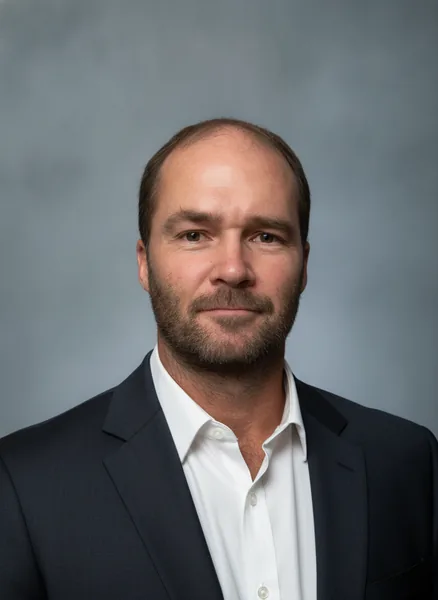 Kenneth Jimmieson19 May 2026 · 5 min read
If you're not paying for the advice, it's worth looking closely at who is - and why.

Advice is never really free. If you aren't paying for it directly, the cost is simply somewhere you can't see - and the most common hiding place is whose interest the advice actually serves.
When someone offers guidance at no charge, ask a plain question: how do they get paid? Often the answer is a commission, a product sale, or a referral fee triggered by you saying yes. None of that makes them villains. It makes their advice a sales conversation wearing the clothes of a neutral one.
The danger isn't outright dishonesty - it's the gentle tilt. A recommendation nudged toward the option that pays better. A risk mentioned a little too lightly. An alternative that never comes up because no one earns anything from it. You rarely notice the tilt, because the advice still sounds reasonable. It just isn't pointed entirely at you.
When the only money on the table is the fee you agree to pay, the incentive collapses to one thing: getting your decision right, so you come back and tell a friend. That's the whole reason we take no commissions and sell no products. It costs us some revenue. It buys you advice you can actually trust.
Free advice has its place - from friends who love you, with no agenda. For decisions that matter, though, it's worth knowing exactly who your adviser is working for. Ideally, it's only you.
Chief Advisory Officer
A lawyer turned advisor who oversees advice quality across every office. Known for reading the fine print no one else does.
Independence
Before you sign anything significant, an independent read pays for itself many times over.
Kenneth Jimmieson19 May 2026 · 5 min read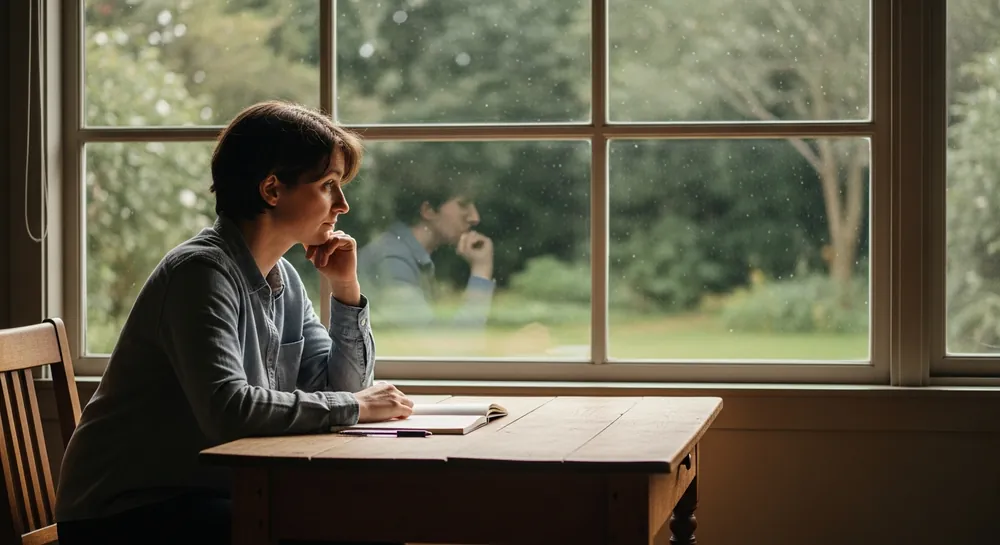 Decision-making
When a choice feels impossibly tangled, these three questions reliably reveal what actually matters.
Mei Lin Tan2 June 2026 · 6 min read Wellbeing
Big decisions made on a tired, overloaded mind tend to be bad ones. A few simple habits help.
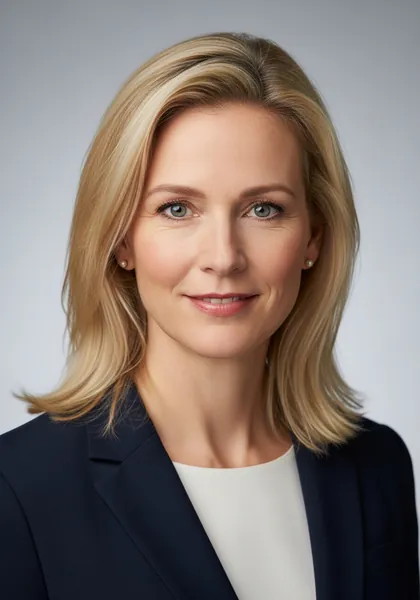 Sophie Lindgren28 April 2026 · 4 min read